


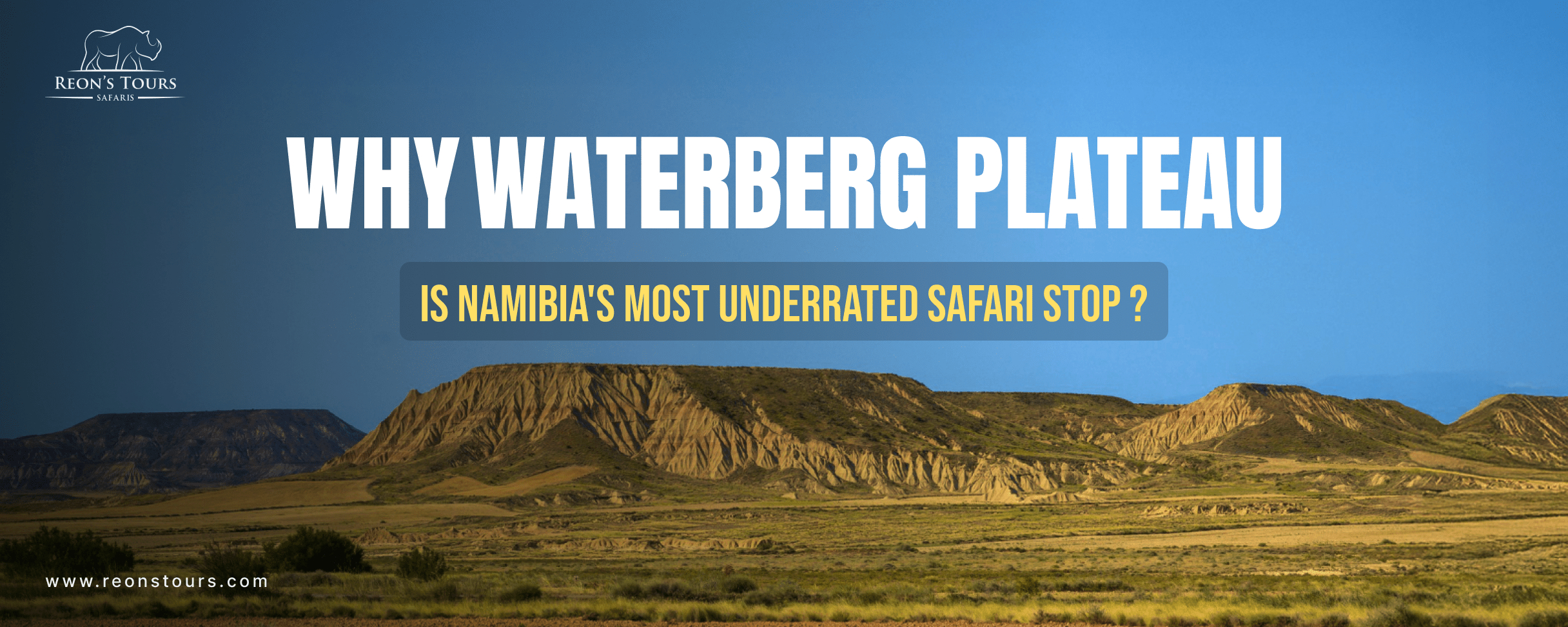
When people hear the words “African safari in Namibia,” their thoughts generally stray to the endless dunes of the Namib Desert, the shimmering salt pans of Etosha National Park, or the dramatic Skeleton Coast. But sitting unknowingly in the center of the country’s highlands is one of Namibia’s best-kept secrets – the Waterberg Plateau. This magnificent red sandstone feature is not only geologically beautiful and fascinating, but it also offers a wealth of wildlife, culture, adventure, and much more. In spite of all this, it’s an underrated destination and is often named but rarely visited.
So, if you’re looking to escape the crowds and experience a side of Namibia that’s as rich in biodiversity as it is in history and scenery, then Waterberg Plateau deserves a top spot on your travel list.
A Sanctuary for Rare and Endangered Wildlife
The Waterberg Plateau is Namibia’s most successful conservation site and an example of sustainable wildlife management. Since 1972, when it was declared a national park, the plateau has served as a sanctuary for threatened and vulnerable species – the black rhino, sable antelope, tsessebe, and the elusive roan antelope.
This “species sink” is successful to a great extent because of its natural springs and water sources available all the time, something rather unheard of in Namibia’s desert climate. This provides the perfect environment for more than 200 species of birds and an incredibly broad variety of mammals. The plateau has been utilized by conservationists to reintroduce endangered species from other parks, and excess populations are even transferred into other protected areas across Namibia to repopulate them.
For conservationists who love wildlife or anyone looking for an off-beat African safari in Namibia, Waterberg provides the unusual opportunity to spot species that are difficult to spot elsewhere, particularly on a guided game drive with someone who knows where to look.
An Escape to the Greens Amid Namibia’s Arid Landscape
Unlike most of Namibia’s landscape, the Waterberg Plateau is a green oasis. It rises suddenly from the surrounding savannah, extending more than 50 kilometers in length and creating an island of diversity. The dense forests, rich valleys, and permanent springs present a natural contrast to the desert landscape elsewhere in the country.
The verdant landscape has made Waterberg a hiker’s and nature walker’s paradise. With nine brief walking paths circling the central camp, even day hikers can experience panoramic vistas, ancient rock paintings, and surprise wildlife encounters. For the more experienced traveler, longer dry-season treks that take you deeper into the bush, with overnight camping under starlight, are ideal.
More Than Nature: A Gateway to Namibia’s Past
The Waterberg Plateau is not simply a wondrous work of nature – it’s a historical and cultural treasure chest. The area is rich in both prehistory and, later, violent history. On some of the trails, you can find dinosaur footprints that have been fossilized in rock, San rock engravings, and remains of early human habitation dating back thousands of years.
The Waterberg cemetery is another site of great historical importance. This cemetery has headstones and monuments of Herero and German soldiers who lost their lives during the 1904 Herero uprising. This uprising has a special place in the colonial history of Namibia.
If you want to experience Namibia’s cultural heritage, there are guided tours to Herero villages nearby. These half-day excursions give you a chance to try local cuisine, experience colorful local dress, and interact with people who have held on to their traditions despite the currents of change.
Exclusive Guided Safaris: A Unique Way to Explore
One of the things that makes Waterberg stand out from other Namibian parks is the way it has to be visited. In contrast with self-driving parks like Etosha, you need to take part in a guided tour or hike in order to venture into Waterberg’s interior. This is done to preserve the delicate environment of the park and improve the overall tourist experience.
Morning and afternoon game drives take three hours and feature excursions to permanent waterholes – perfect for wildlife viewing. Seasoned guides assist you in tracking shy animals and provide knowledge of the ecology and history of the plateau. Nature-loving tourists can choose to blend hiking and driving, enjoying the best of both worlds in one day.
Comfort Meets Wilderness: Easy Access and Accommodation Options
One more reason Waterberg Plateau is a great spot for an African safari in Namibia is its accessibility. Strategically positioned between Windhoek and Etosha National Park, it’s a simple and worthwhile detour or mid-point break on your Namibian adventure.
Even though you are surrounded by nature, you don’t have to compromise on comfort. Options around Waterberg vary from simple campsites to high-end lodges. Regardless of how you want to travel – as a lone backpacker, a couple, or a family on vacation, you’ll find something that suits your purpose.
Why Waterberg Should Take Center Stage
So why hasn’t Waterberg Plateau been on everyone’s radar, even among veteran safari enthusiasts?
It may be because it defies the traditional safari formula. It’s not where you spend hours driving in pursuit of “The Big Five.” Rather, Waterberg provides a more personal, educational, and conservation-oriented experience. It’s where you learn, walk, hike, and connect with Namibia’s land, wildlife, and people.
While some previously exciting safari venues have succumbed to commercialism in the modern era, Waterberg is open and raw, unspoiled and blissfully uncrowded with tourists. Waterberg is well worth the effort for visitors who are willing to stray from the usual trail in order to discover unique wildlife, rich history, and gorgeous scenery.
Conclusion
For travelers looking for an African safari in Namibia that walks the off-beaten road, the Waterberg Plateau offers the experience of a lifetime. It’s a venue that offers more than just freely roaming animals. Waterberg speaks of Namibia’s history, conservation, and culture.
No matter if you are a wildlife enthusiast, hiker, history buff, or even someone looking for some peace and quiet. You are guaranteed to be wowed and amazed at Waterberg!
Reon’s Tours is always ready and willing to guide you through the enchanting beauty of the underrated Waterberg, which is sure to captivate, educate, and open your eyes to a lesser-known Namibia.
Frequently Asked Questions
Where is the Waterberg Plateau?
The Waterberg Plateau is located in the Namibian central highlands. It is, in fact, around 300 kilometres north of Windhoek. It is neatly positioned between Windhoek and Etosha National Park, thus making it an apt stopover on your Namibia safari tour.
What animals are there in the Waterberg Plateau National Park?
The Waterberg Plateau National Park is home to black rhinos, sable and roan antelopes, tsessebes, giraffes, and over 200 bird species. It is thus a great place for spotting rare wildlife in a lush, green environment, which isn’t quite the same in the rest of Namibia.
How tall is the Waterberg Namibia?
The Waterberg Plateau stands tall amidst the surrounding plains. It rises 200 metres, reaching an elevation of around 1,900 metres at its highest point. Its red sandstone cliffs make it one of Namibia’s striking landmarks. Connect with Reon’s Tours to experience the absolute best African safari in Namibia.
Is the Waterberg Plateau worth visiting?
Yes, absolutely! It is perfect for tourists/ travellers looking to experience the unique wildlife, lush scenery, and adventure that the place has to offer. Unlike Namibia’s arid deserts, Waterberg is perfect for hiking, game drives, and historical insights – all without the crowds you usually find in other parks.
Do I need a guided tour to visit the Waterberg Plateau?
Yes, guided tours are ideal to explore the Waterberg Plateau. The place has its fragile ecosystem preserved and offers a richer experience. But to experience this, you need experienced guides to share insights on the area’s wildlife, ecology, and more.