


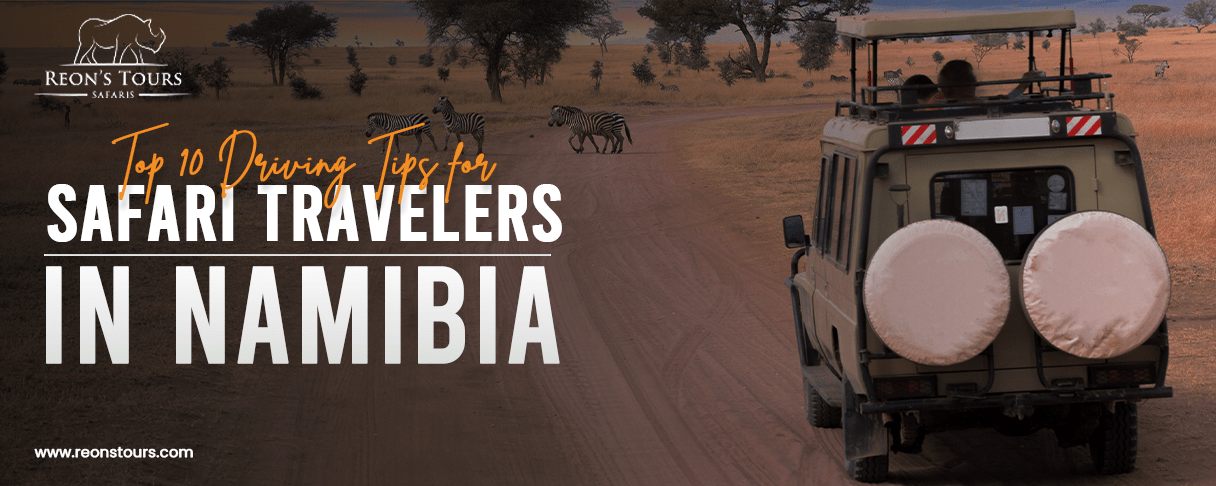
Namibia is every safari enthusiast’s dream destination. With its open spaces, breathtaking deserts, and incredible wildlife, it is the ideal destination for a self-driving holiday. While most safaris are dependent on guided tours, Namibia presents the unique chance to venture on your own with the guidance of a good rental car. Driving in Namibia, however, is not exactly like driving along a highway. The landscape, road surfaces, and isolation require attention and planning.
Whether going to Etosha National Park, Skeleton Coast, or Sossusvlei dunes, here are the top 10 driving secrets every safari tourist must know before embarking on the Namibian roads.
1. Select a 4×4 Vehicle
This is the most crucial choice you’ll make. Most of Namibia’s roads, particularly outside larger towns, are sandy, gravel, or rocky. A 4×4 vehicle offers the ground clearance, stability, and traction required to move across these landscapes with safety. Even if your trip has some road coverage, the additional confidence that a 4×4 instills in you while driving through remote areas is well worth it, particularly when it rains. When researching Namibia car hire companies, always look for companies that provide well-maintained 4×4 cars appropriate for extended safari travel.
2. Take Comprehensive Insurance
Don’t skip on insurance. Many car hire companies offer basic coverage, but that often excludes critical elements like tire and windscreen damage or accidents caused by animals. Instead, choose full coverage that includes:
- Collision Damage Waiver (CDW)
- Theft Protection
- Tire and Glass Protection
- 24/7 Roadside Assistance
When selecting a Namibia car hire package, confirm exactly what’s covered and ask about common exclusions.
3. Have a GPS or Offline Maps Ready
Mobile phone coverage is unavailable or erratic in Namibia’s remote areas. Your car should be fitted with a GPS or, in its absence, carry a GPS-equipped device with offline maps preloaded beforehand. Google Maps (available offline) or Maps.me can assist you in staying on course when road signs are absent for miles.
4. Inspect Emergency Equipment Before You Depart
Before leaving, check the car for basic emergency equipment. It should contain:
- Properly inflated spare tire (or two)
- Jack and tire tools
- First aid kit
- Reflective triangle and warning vest
- Fire extinguisher
Also, bring your own supplies like drinking water, snacks, and a power bank. You never know when you will be stranded waiting for assistance in the middle of nowhere.
5. Plan Fuel Stops in Advance
Gas stations are scarce in certain regions. It is not unusual to travel 200 km or more without seeing one. Always:
- Monitor where the gas stops are on your route
- Monitor your fuel level
- Refuel regardless of whether your tank is half full
Most stations in rural areas only accept cash, so keep some Namibian dollars on hand. When finalizing your Namibia car hire, ask the company for a fuel map or suggestions based on your route.
6. Avoid Driving at Night
Night driving in Namibia is not recommended. Antelopes, warthogs, or even elephants might occasionally come onto the road and cross over suddenly during nighttime driving, making it very risky. Most rural roads are also not lit, and the visibility is low. Schedule your daily drives such that you arrive at your destination before sunset.
7. Refuel Regularly
Top up your tank whenever you can, whether you believe you have sufficient to make the next stop or not. Road distances between towns are misleading, and sporadic detours or circumstances (such as deep sand) consume more fuel than anticipated. One of the wisest decisions you can make in a Namibia car rental adventure is to follow a “never-pass-a-gas-station” approach.
8. Obey Speed Limits
Namibian roads are tricky. Main highways are fine, but secondary roads can be littered with gravel or loose sand. The national speed limit on gravel roads is typically 80 km/h, but it is better to drive slower under certain conditions. Not only is speeding dangerous, but it could also invalidate your insurance in the event of an accident.
9. Familiarize Yourself with Local Driving Laws
In Namibia, drivers drive on the left-hand side of the road, which may be unfamiliar to some visitors. Seat belts are compulsory, and using a mobile phone while driving is prohibited unless you also possess a hands-free set. Urban traffic rules are strict by law, so please familiarize yourself with the fundamentals of Namibian road law before departure. Most Namibia car hire agencies give you a brief introduction to driving regulations. Don’t do without it.
10. Respect Wildlife on the Roads
Perhaps the most magical part of driving in Namibia is the chance to see wildlife along the roads, even outside of national parks. Be especially careful at sunrise and sunset, when wildlife is most active. If you see wildlife crossing the road:
- Slow down and wait
- Never honk or try to hurry them
- Keep a good distance
- Your good behavior protects the animals and you.
Final Thoughts
A self-driving safari in Namibia is one of the most fulfilling travel experiences possible. It provides freedom, flexibility, and a more intimate relationship with the landscape. Freedom, however, must come with responsibility. With the right vehicle, planning, and safe driving, you can have the adventure of a lifetime without unnecessary risk.
Namibia car hire agencies enable you to explore this vast and stunning nation at your own pace. Buckle up, grab the steering wheel, and prepare for an adventure across Namibia’s wild heart – one magnificent mile at a time.
Frequently Asked Questions
Is it safe to drive in Namibia as a tourist?
Yes, Namibia is considered one of the safest places on Earth for self-driving Namibia car hire. However, you will still need to plan for the terrain, isolation, and wildlife. Try not to drive at night and always chart your route as per fuel and rest spots.
Can I rely on mobile signal and Google Maps?
Mobile coverage can be patchy or non-existent in many safari regions. This is why, we at Reon’s Tours, make sure that our cars have active GPS support with offline Maps support or pre-loaded Google Maps to help you through.
Why is night driving discouraged in Namibia?
Rural roads in Namibia often lack lighting, and this can be an issue – especially in spotting wildlife crossing roads in the night. Poor visibility increases the risk of collision. Thus, we’d advise you to complete all travel before sunset.
Do I need a 4×4 vehicle to drive in Namibia?
Yes, you must go for a 4×4 Namibia car hire, especially for safari travel. Most roads outside major towns are gravel, sandy, or rocky, and so, having a 4×4 vehicle offers better traction, ground clearance, and safety.
What should I do if I encounter wildlife on the road?
This is something we frequently find travellers asking us! Well, if you ever face such a situation, slow down, stay calm, and wait for animals to cross. Never honk or attempt to scare them off, and maintain a safe distance.